CellCore Biosciences
Elevating a clinical brand for scale, credibility, and long-term trust.
Industry: Health & Wellness
Timeline: Two years. Seventeenth hire to acquisition.
Role: Creative Director / Brand, creative, and growth leadership
Scope: Brand, product, packaging, events, ecosystem, marketing, governance
CellCore Biosciences was a secondary brand, built into the flagship that carried the company to acquisition.
The CellCore line grew from roughly $1M to over $20M a year. The business was acquired by Kainos Capital (~$230M). Headcount went from seventeen to over one hundred forty.

Two brands shared one company. CellCore sold to practitioners. Microbe Formulas sold direct to consumers. Same products, different names, different branding — one catalog wearing two faces. The business was doing around a million dollars, run by a young team that believed in the work, out of a small office with a warehouse that was really just an oversized garage.
CellCore was the founders' passion. It was also the smaller number. The brand the company cared most about was the one it had built the least.

The Diagnosis
The problem wasn't that CellCore needed a better logo. It was that the company was treating its most valuable brand as the secondary one.
Microbe got the rebrand first — Microbe was the revenue. But the practitioner channel was the higher ceiling: protocol-driven, relationship-based, the kind of brand that compounds, because a practitioner who adopts it brings every patient with them. CellCore had that model and a brand that couldn't carry it. Subpar at best. Built like a startup that sold supplements, not like a clinical authority a doctor would stake a practice on.
About a year in, I made the case to modernize it — not a refresh, a reposition. Build CellCore like the corporate clinical wellness brand it needed to be to reach a global practitioner audience. The founders backed it. What followed was an eight-month overhaul, and then eighteen months of sprint that turned the brand into the flagship.
The Build
The work ran across every surface the brand touched — physical, digital, operational. Not a campaign. An overhaul, layer by layer.
Brand. A new identity from the studs up — logo, color, system, voice. The reposition from supplement startup to clinical authority drove every decision: what a practitioner had to see to trust it, what a global audience had to recognize to follow it, what the company needed to scale it without thinning it out. Corporate assets — decks, sales materials, internal systems — were built off the same spine, so the brand held wherever it showed up.
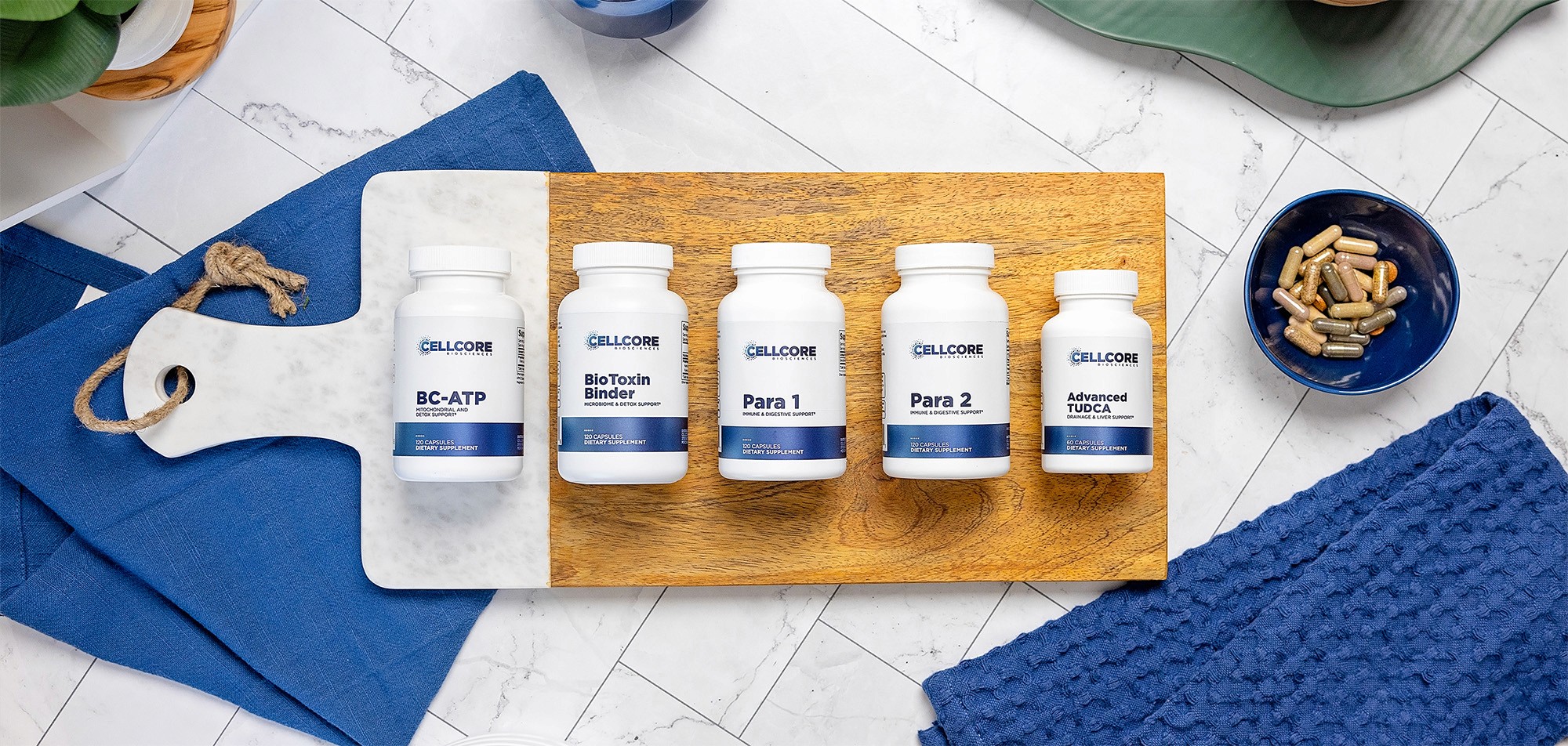
Product. CellCore sells protocols, not bottles. This layer was the branded architecture of that system — how foundational medicine, drainage, and detox became a legible framework a practitioner could prescribe and a patient could actually follow. Naming, sequencing, presentation, bundling. The decisions that turn a catalog into a method.
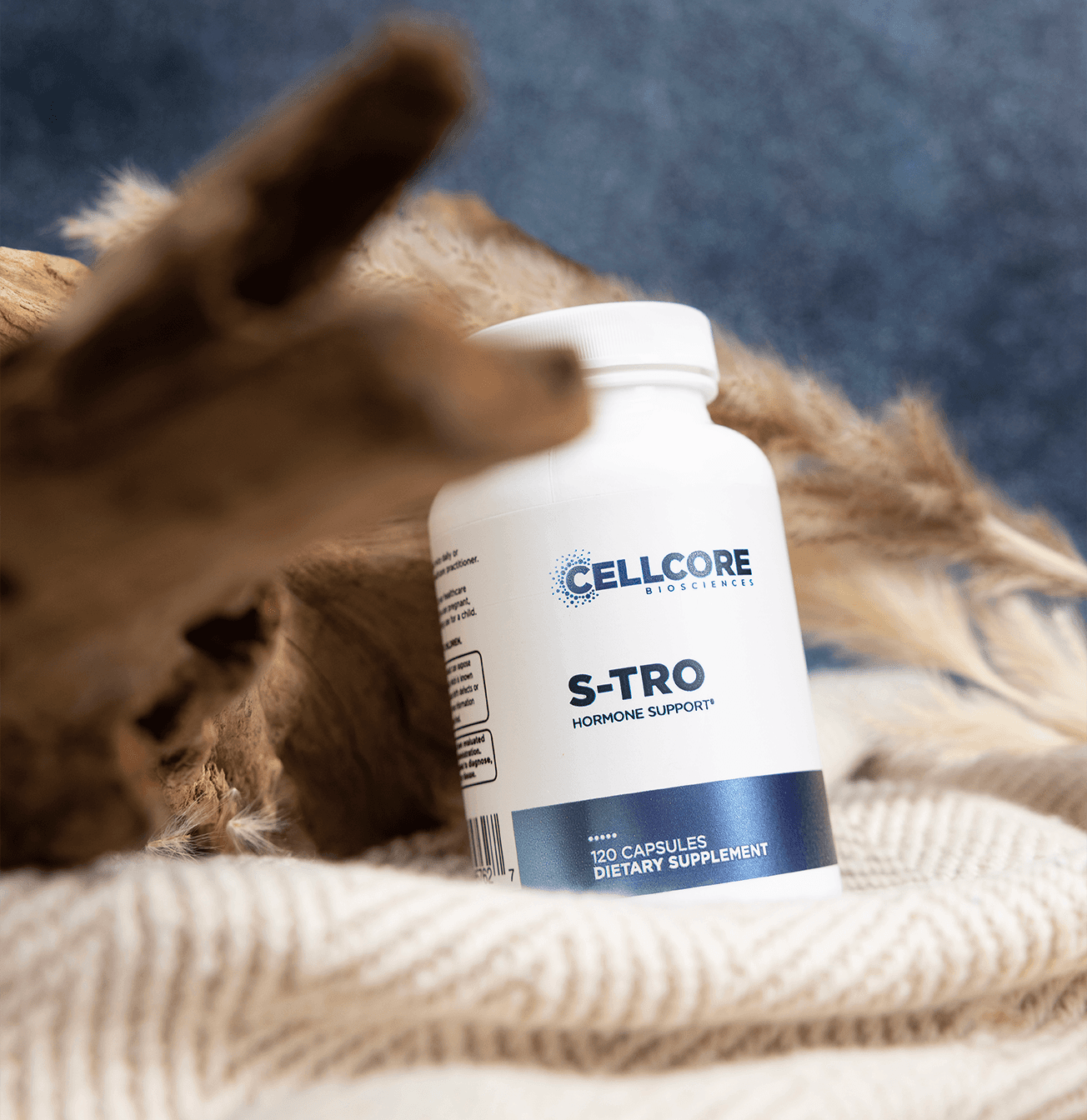
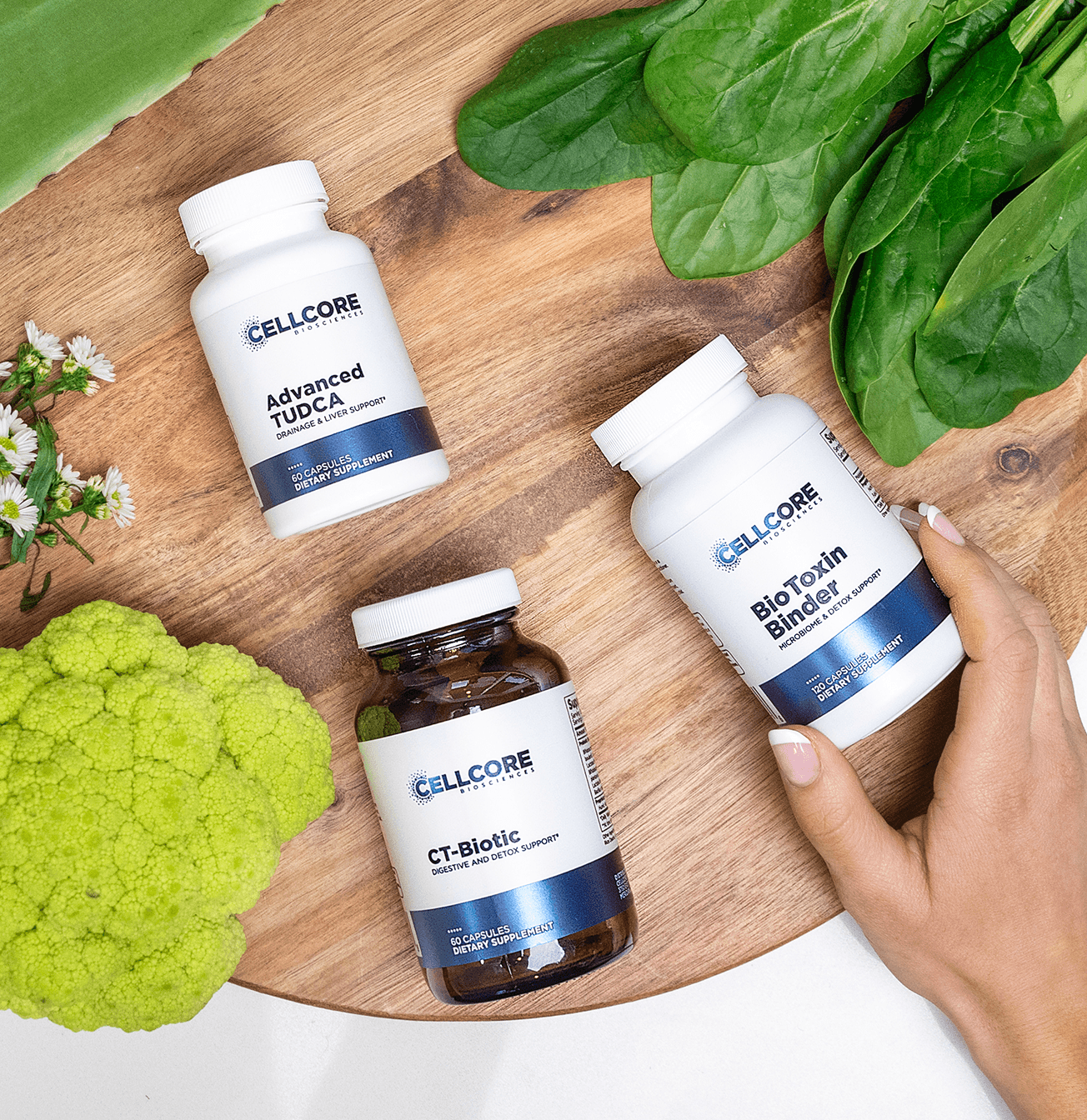
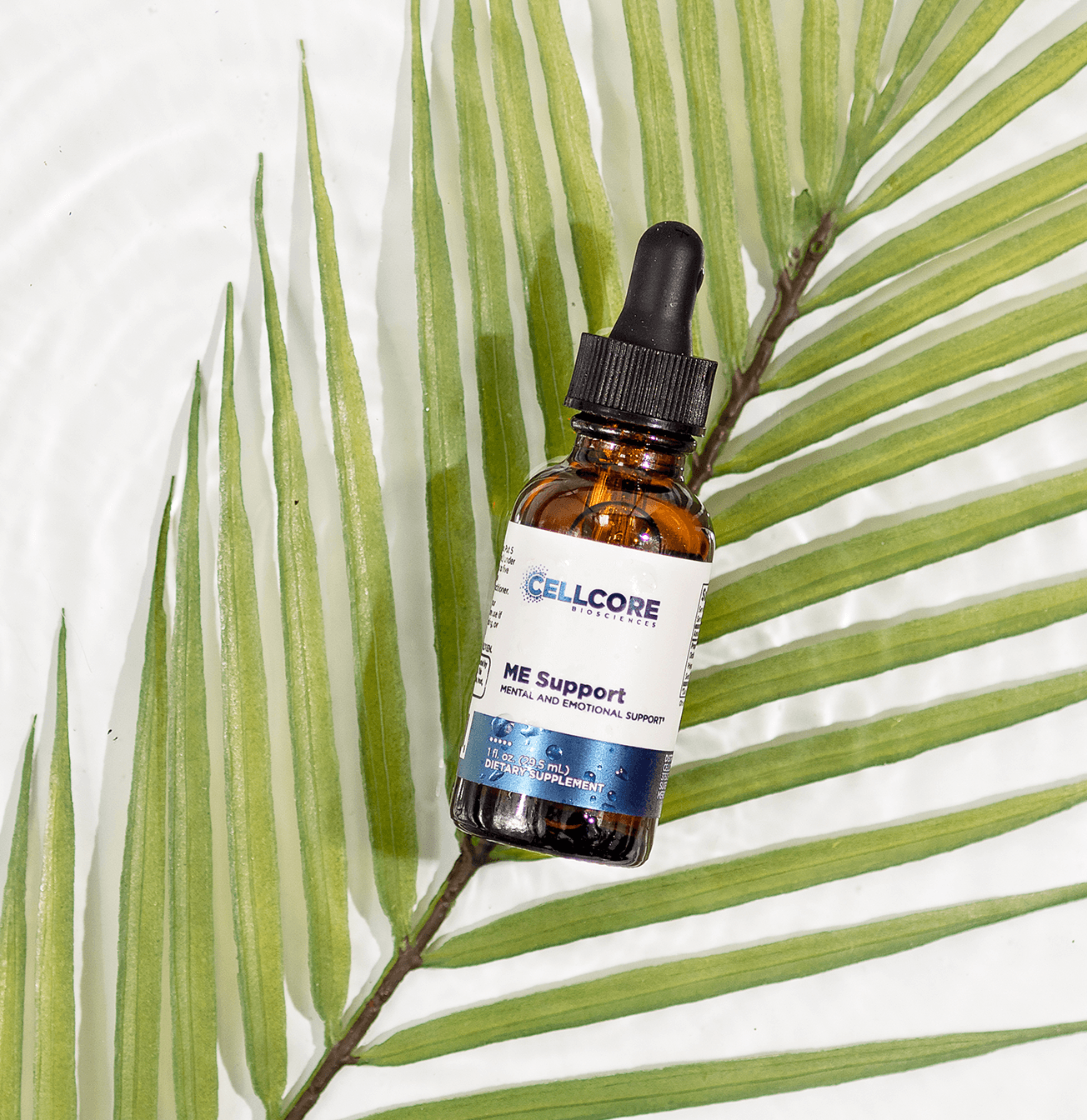
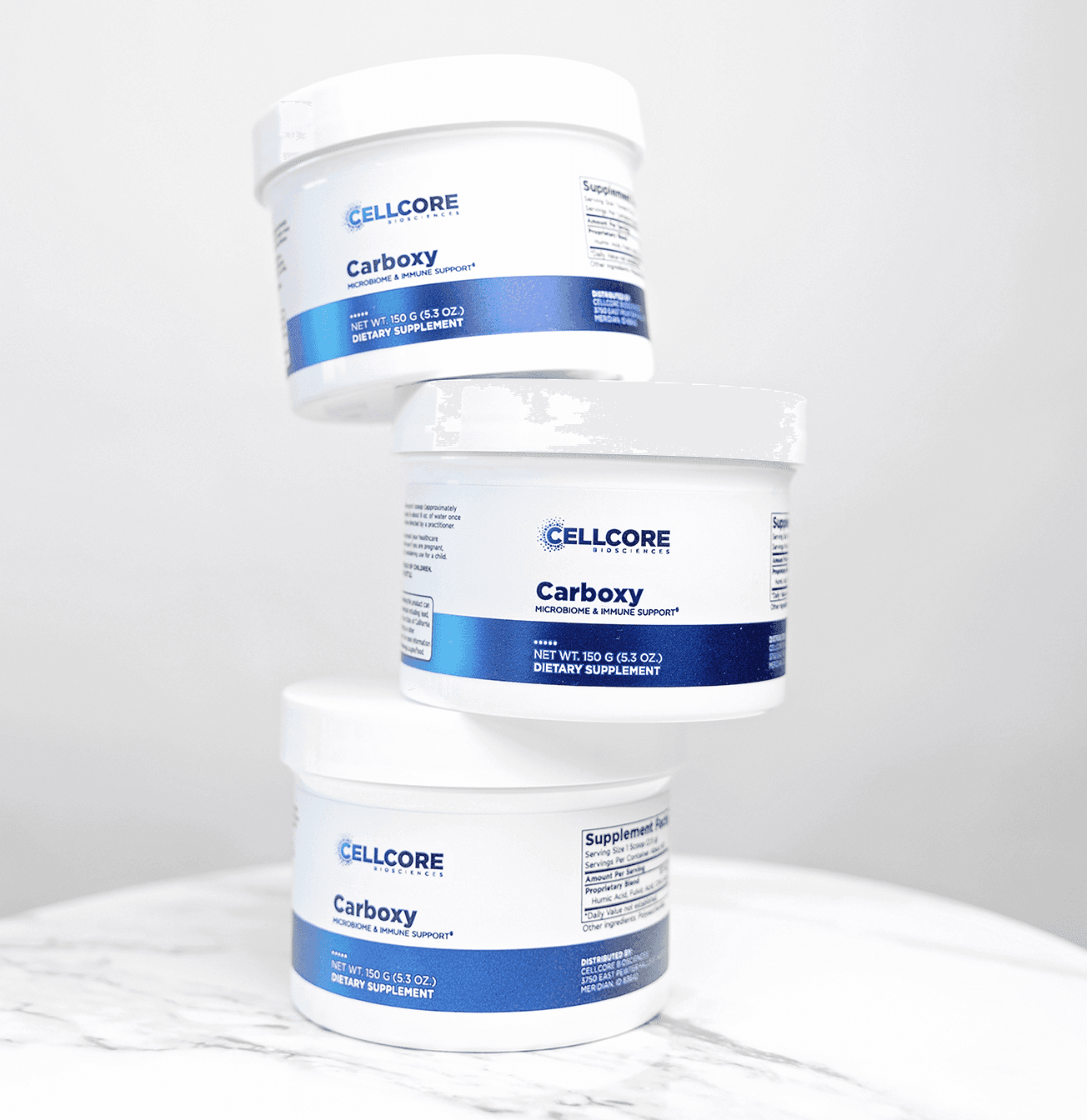
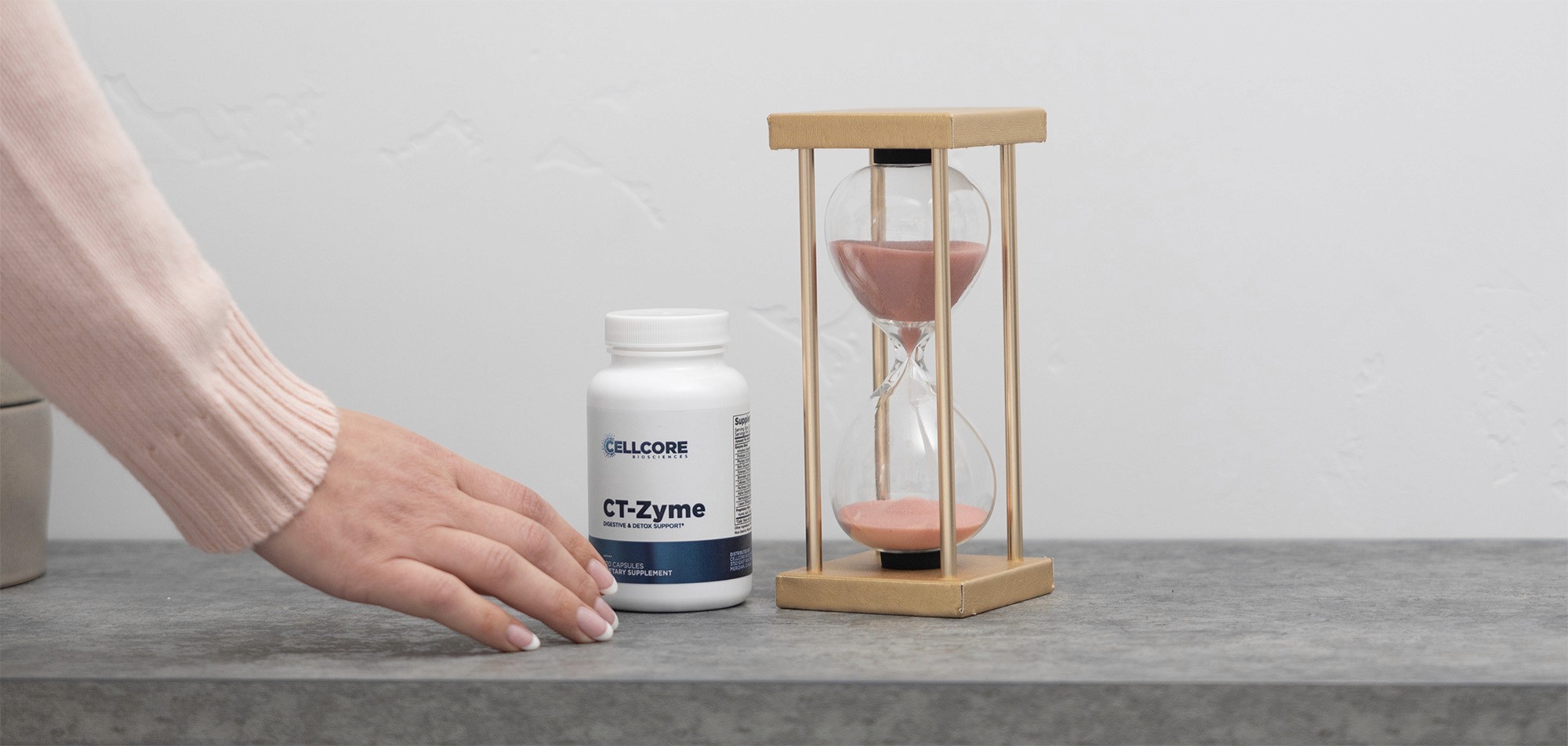
Packaging. Clinical wellness packaging at SKU scale. Labels, compliance, the physical product as the most-handled brand surface there is. Every choice had to survive a practitioner's scrutiny and a patient's bathroom shelf at the same time.
Events. ECO began as practitioner education and became a sub-brand and a revenue driver in its own right. The logic: for a protocol brand, education is the top of the funnel. A practitioner who understands the science adopts the protocols; the protocols bring their patients; the patients become customers. ECO turned that into an event thousands attended — taught the method, built the excitement, and seeded demand that paid for itself. It came out of the CellCore rebrand and grew its own legs.
Ecosystem. The digital backbone. A web presence robust enough to hold a large and growing practitioner audience, and a backend practitioner dashboard built for one thing: the most seamless experience possible. Webinar-based education delivered and tracked by views, sitting alongside patient information and order and product data in a single place. A practitioner could learn, manage patients, and reorder without ever leaving the system.
Marketing. Campaigns and customer journeys built for two audiences at once — the practitioner and the patient — because in this model they aren't separate markets, they're a chain. Plus the social following and content engine that gave the brand reach beyond the channel.
Governance. Brand governance built so the system could hold as the team and the company grew. Standards, structure, and the operating logic that let people add to the brand without breaking it. This is the layer that made everything after my departure possible.
The Handoff
I built the systems first. Then I built the team around them. From there we evolved it together — the brand got stronger because more hands were on it, not fewer.
The order matters. Systems before people is what makes a brand infrastructure instead of personality. By the time I left, nothing depended on me being in the room. The brand ran. The team ran it. The acquisition didn't disrupt it, because there was nothing fragile to disrupt.
I left with my stamp on it. They were left with something that worked without me. That was the point.
What's True Now
CellCore still leads. Microbe — the brand that started ahead — was folded in, because two brands selling the same products eventually compete with each other, and the company kept the one with the higher ceiling. The secondary brand won.
It's doing an estimated $23M+ a year. In late 2024 it acquired Biocidin Botanicals to build a broader root-cause approach to digestive and cellular health. The brand I was brought in to fix — the smaller of two — is now the one absorbing other companies.
Built right, then left to run. It's still running.


More Work

[ LET'S TALK ]
If you’re building something that matters, I’d love to hear about it.
[ LET'S TALK ]
If you’re building something that matters, I’d love to hear about it.
CellCore Biosciences
Elevating a clinical brand for scale, credibility, and long-term trust.
Industry: Health & Wellness
Timeline: Two years. Seventeenth hire to acquisition.
Role: Creative Director / Brand, creative, and growth leadership
Scope: Brand, product, packaging, events, ecosystem, marketing, governance
CellCore Biosciences was a secondary brand, built into the flagship that carried the company to acquisition.
The CellCore line grew from roughly $1M to over $20M a year. The business was acquired by Kainos Capital (~$230M). Headcount went from seventeen to over one hundred forty.
Two brands shared one company. CellCore sold to practitioners. Microbe Formulas sold direct to consumers. Same products, different names, different branding — one catalog wearing two faces. The business was doing around a million dollars, run by a young team that believed in the work, out of a small office with a warehouse that was really just an oversized garage.
CellCore was the founders' passion. It was also the smaller number. The brand the company cared most about was the one it had built the least.
The Diagnosis
The problem wasn't that CellCore needed a better logo. It was that the company was treating its most valuable brand as the secondary one.
Microbe got the rebrand first — Microbe was the revenue. But the practitioner channel was the higher ceiling: protocol-driven, relationship-based, the kind of brand that compounds, because a practitioner who adopts it brings every patient with them. CellCore had that model and a brand that couldn't carry it. Subpar at best. Built like a startup that sold supplements, not like a clinical authority a doctor would stake a practice on.
About a year in, I made the case to modernize it — not a refresh, a reposition. Build CellCore like the corporate clinical wellness brand it needed to be to reach a global practitioner audience. The founders backed it. What followed was an eight-month overhaul, and then eighteen months of sprint that turned the brand into the flagship.
The Build
The work ran across every surface the brand touched — physical, digital, operational. Not a campaign. An overhaul, layer by layer.
Brand. A new identity from the studs up — logo, color, system, voice. The reposition from supplement startup to clinical authority drove every decision: what a practitioner had to see to trust it, what a global audience had to recognize to follow it, what the company needed to scale it without thinning it out. Corporate assets — decks, sales materials, internal systems — were built off the same spine, so the brand held wherever it showed up.
Product. CellCore sells protocols, not bottles. This layer was the branded architecture of that system — how foundational medicine, drainage, and detox became a legible framework a practitioner could prescribe and a patient could actually follow. Naming, sequencing, presentation, bundling. The decisions that turn a catalog into a method.
Packaging. Clinical wellness packaging at SKU scale. Labels, compliance, the physical product as the most-handled brand surface there is. Every choice had to survive a practitioner's scrutiny and a patient's bathroom shelf at the same time.
Events. ECO began as practitioner education and became a sub-brand and a revenue driver in its own right. The logic: for a protocol brand, education is the top of the funnel. A practitioner who understands the science adopts the protocols; the protocols bring their patients; the patients become customers. ECO turned that into an event thousands attended — taught the method, built the excitement, and seeded demand that paid for itself. It came out of the CellCore rebrand and grew its own legs.
Ecosystem. The digital backbone. A web presence robust enough to hold a large and growing practitioner audience, and a backend practitioner dashboard built for one thing: the most seamless experience possible. Webinar-based education delivered and tracked by views, sitting alongside patient information and order and product data in a single place. A practitioner could learn, manage patients, and reorder without ever leaving the system.
Marketing. Campaigns and customer journeys built for two audiences at once — the practitioner and the patient — because in this model they aren't separate markets, they're a chain. Plus the social following and content engine that gave the brand reach beyond the channel.
Governance. Brand governance built so the system could hold as the team and the company grew. Standards, structure, and the operating logic that let people add to the brand without breaking it. This is the layer that made everything after my departure possible.
The Handoff
I built the systems first. Then I built the team around them. From there we evolved it together — the brand got stronger because more hands were on it, not fewer.
The order matters. Systems before people is what makes a brand infrastructure instead of personality. By the time I left, nothing depended on me being in the room. The brand ran. The team ran it. The acquisition didn't disrupt it, because there was nothing fragile to disrupt.
I left with my stamp on it. They were left with something that worked without me. That was the point.
What's True Now
CellCore still leads. Microbe — the brand that started ahead — was folded in, because two brands selling the same products eventually compete with each other, and the company kept the one with the higher ceiling. The secondary brand won.
It's doing an estimated $23M+ a year. In late 2024 it acquired Biocidin Botanicals to build a broader root-cause approach to digestive and cellular health. The brand I was brought in to fix — the smaller of two — is now the one absorbing other companies.
Built right, then left to run. It's still running.
More Work
[ LET'S TALK ]
If you’re building something that matters, I’d love to hear about it.
CellCore Biosciences
Elevating a clinical brand for scale, credibility, and long-term trust.
Industry: Health & Wellness
Timeline: Two years. Seventeenth hire to acquisition.
Role: Creative Director / Brand, creative, and growth leadership
Scope: Brand, product, packaging, events, ecosystem, marketing, governance
CellCore Biosciences was a secondary brand, built into the flagship that carried the company to acquisition.
The CellCore line grew from roughly $1M to over $20M a year. The business was acquired by Kainos Capital (~$230M). Headcount went from seventeen to over one hundred forty.
Two brands shared one company. CellCore sold to practitioners. Microbe Formulas sold direct to consumers. Same products, different names, different branding — one catalog wearing two faces. The business was doing around a million dollars, run by a young team that believed in the work, out of a small office with a warehouse that was really just an oversized garage.
CellCore was the founders' passion. It was also the smaller number. The brand the company cared most about was the one it had built the least.
The Diagnosis
The problem wasn't that CellCore needed a better logo. It was that the company was treating its most valuable brand as the secondary one.
Microbe got the rebrand first — Microbe was the revenue. But the practitioner channel was the higher ceiling: protocol-driven, relationship-based, the kind of brand that compounds, because a practitioner who adopts it brings every patient with them. CellCore had that model and a brand that couldn't carry it. Subpar at best. Built like a startup that sold supplements, not like a clinical authority a doctor would stake a practice on.
About a year in, I made the case to modernize it — not a refresh, a reposition. Build CellCore like the corporate clinical wellness brand it needed to be to reach a global practitioner audience. The founders backed it. What followed was an eight-month overhaul, and then eighteen months of sprint that turned the brand into the flagship.
The Build
The work ran across every surface the brand touched — physical, digital, operational. Not a campaign. An overhaul, layer by layer.
Brand. A new identity from the studs up — logo, color, system, voice. The reposition from supplement startup to clinical authority drove every decision: what a practitioner had to see to trust it, what a global audience had to recognize to follow it, what the company needed to scale it without thinning it out. Corporate assets — decks, sales materials, internal systems — were built off the same spine, so the brand held wherever it showed up.
Product. CellCore sells protocols, not bottles. This layer was the branded architecture of that system — how foundational medicine, drainage, and detox became a legible framework a practitioner could prescribe and a patient could actually follow. Naming, sequencing, presentation, bundling. The decisions that turn a catalog into a method.
Packaging. Clinical wellness packaging at SKU scale. Labels, compliance, the physical product as the most-handled brand surface there is. Every choice had to survive a practitioner's scrutiny and a patient's bathroom shelf at the same time.
Events. ECO began as practitioner education and became a sub-brand and a revenue driver in its own right. The logic: for a protocol brand, education is the top of the funnel. A practitioner who understands the science adopts the protocols; the protocols bring their patients; the patients become customers. ECO turned that into an event thousands attended — taught the method, built the excitement, and seeded demand that paid for itself. It came out of the CellCore rebrand and grew its own legs.
Ecosystem. The digital backbone. A web presence robust enough to hold a large and growing practitioner audience, and a backend practitioner dashboard built for one thing: the most seamless experience possible. Webinar-based education delivered and tracked by views, sitting alongside patient information and order and product data in a single place. A practitioner could learn, manage patients, and reorder without ever leaving the system.
Marketing. Campaigns and customer journeys built for two audiences at once — the practitioner and the patient — because in this model they aren't separate markets, they're a chain. Plus the social following and content engine that gave the brand reach beyond the channel.
Governance. Brand governance built so the system could hold as the team and the company grew. Standards, structure, and the operating logic that let people add to the brand without breaking it. This is the layer that made everything after my departure possible.
The Handoff
I built the systems first. Then I built the team around them. From there we evolved it together — the brand got stronger because more hands were on it, not fewer.
The order matters. Systems before people is what makes a brand infrastructure instead of personality. By the time I left, nothing depended on me being in the room. The brand ran. The team ran it. The acquisition didn't disrupt it, because there was nothing fragile to disrupt.
I left with my stamp on it. They were left with something that worked without me. That was the point.
What's True Now
CellCore still leads. Microbe — the brand that started ahead — was folded in, because two brands selling the same products eventually compete with each other, and the company kept the one with the higher ceiling. The secondary brand won.
It's doing an estimated $23M+ a year. In late 2024 it acquired Biocidin Botanicals to build a broader root-cause approach to digestive and cellular health. The brand I was brought in to fix — the smaller of two — is now the one absorbing other companies.
Built right, then left to run. It's still running.
More Work
[ LET'S TALK ]
If you’re building something that matters, I’d love to hear about it.